January marks National Mentoring Month, a time to recognize the transformative power of mentorship in shaping careers and fostering connections. Mentorship is woven into the fabric of the Department of Otolaryngology – Head and Neck Surgery at the University of California, San Francisco (UCSF OHNS), from research fellowship programs to daily clinical practice.
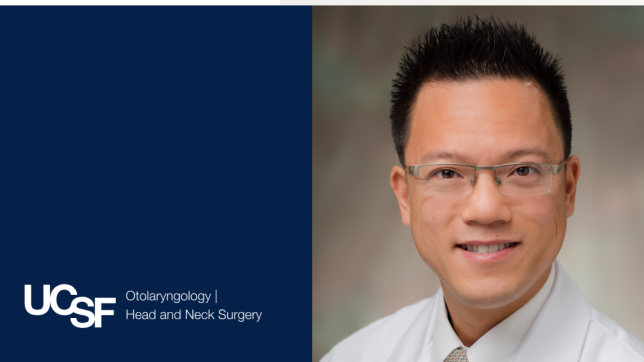
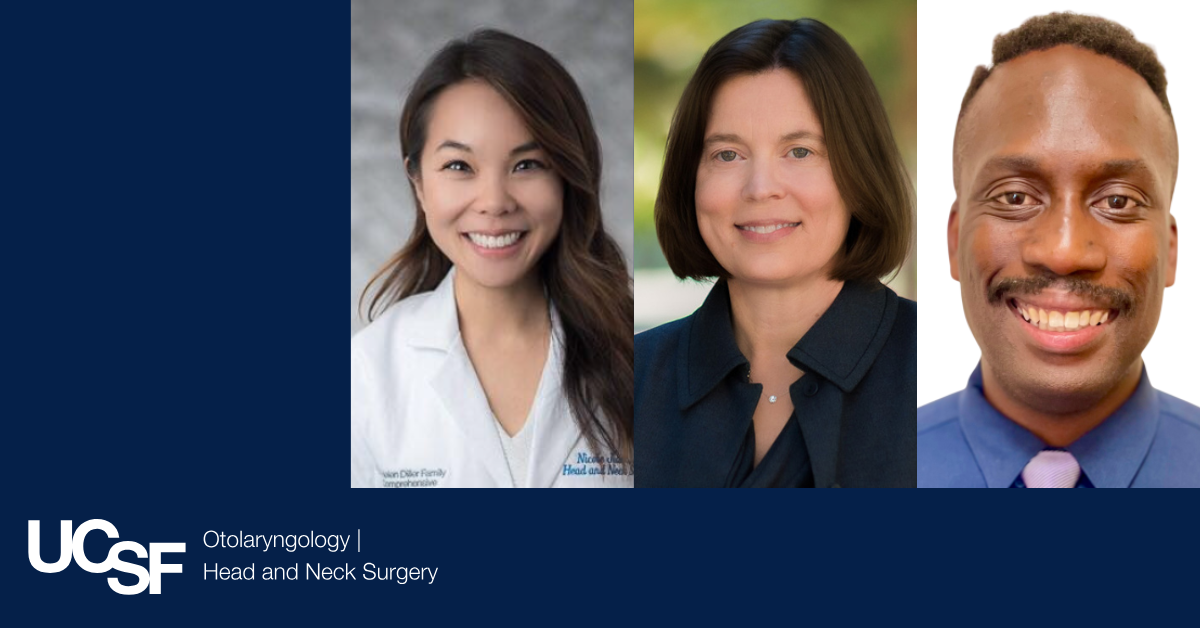
Tokunbo Ayeni, MD, approaches mentorship with accessibility at the top of mind. "I have an open 'virtual' door policy and am willing to chat with and effectively mentor students that are interested in Otolaryngology regardless of their experience or seniority in medical school," he says.
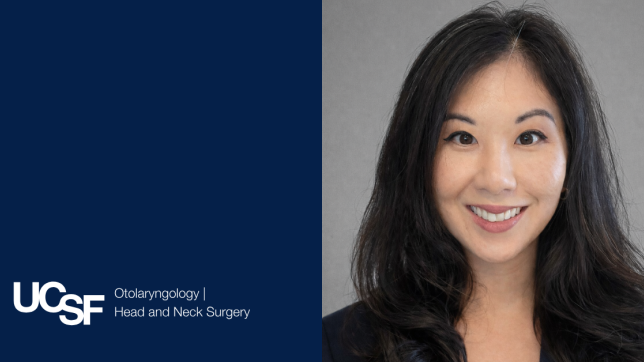
With 23 years at UCSF, Kristina Rosbe, MD, has witnessed the evolution of the Pediatric Otolaryngology Division, helping to expand the program from one faculty member to soon-to-be 11. As Chief of the division, Dr. Rosbe also serves as the surgeon leader for the Mission Bay Perioperative Triad, where she works to improve efficiency, safety, quality and patient and staff experience.
Reflecting on her journey, Dr. Rosbe recalled an early mentoring experience that shaped his career path. "One of the earliest mentoring experiences I had was when I was a medical student working with a PGY-3 resident on my Otolaryngology rotation," Dr. Rosbe says. "He was enthusiastic, supportive and radiated positivity and I thought, 'if I can be that excited about the career I choose every day, that would be wonderful.'"
That experience left a lasting impression. "Mentorship has been critical in my professional success and now I find myself on the other side, trying to emulate the amazing mentors I had to help my mentees reach their professional goals and dreams," Dr. Rosbe says.
Dr. Rosbe emphasizes the importance of being deliberate in the mentor-mentee relationship. "I think it is important to be intentional and schedule time to meet because we are all so busy that if you wait for it to happen organically, it may not," she says. "It's also helpful to have specific goals and outcomes for each interaction."
For Dr. Rosbe, mentoring is more than a professional obligation — it's a source of fulfillment. "Mentoring is a critical and essential part of my role as a leader to nurture and develop the next generation of leaders in otolaryngology and really fills my cup, brings me joy and provides additional purpose to my professional life," Dr. Rosbe says.
On the collaborative culture at UCSF OHNS, Dr. Rosbe says: "Connection and inspiration are outcomes of successful mentorship and sponsorship and we are lucky that UCSF has a long history of collaboration and innovation built into its DNA."
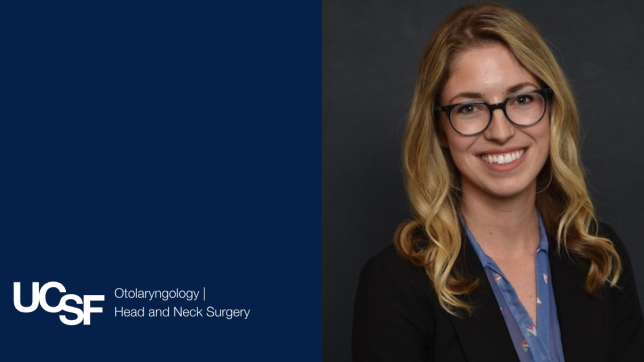
The newly-established Research Fellows Curriculum, led by Nicole Jiam, MD, consists of a one-year mentorship program in which fellows participate in structured workships with immersive project work. "Fellows learn how to structure a research year, explore careers as physician-scientists, develop manuscripts and deliver oral presentations," Dr. Jiam says. "Journal clubs and project feedback sessions allow fellows to present in-progress work and receive constructive input. Throughout the year, fellows advance a primary research project from concept to results under the guidance of their PI and the broader department."
Key pillars of the mentorship program include longitudinal research and near-peer mentors. In the curriculum, fellows are primarily mentored by their research PI, while also benefiting from strong departmental support. "Faculty across the department dedicate time to workshops, feedback sessions and career guidance," Dr. Jiam says. "The program is also led by our Medical Student Director, Stephanie Younan, who plays a key role in envisioning this curriculum, coordinating mentorship and ensuring trainee development."
Near-peer mentors — senior medical students, residents and research fellows — provide practical guidance and encouragement, adding a perspective for those in the curriculum to relate to. The program aims to maintain these relationships beyond the one-year timeframe. "By fostering consistent collaboration with PIs and continued engagement with departmental faculty, fellows often maintain long-term relationships that extend into future projects, publications and career mentorship," says Dr. Jiam. "We hope they leave with confidence in their ability to conduct meaningful research, clarity about their career direction, and a strong, lasting mentorship network within otolaryngology."
UCSF OHNS continues to develop new mentorship opportunities, including the WISE (Women Inspire, Support, Elevate) book club and the ShENT Endowment Fund, both aimed at promoting connection and leadership opportunities among female otolaryngologists.
Join us in thanking the mentors and celebrating the mentees who make up the next generation of healthcare professionals.