We are proud to celebrate the careers of three extraordinary members of our Department of Otolaryngology – Head and Neck Surgery (OHNS) at UCSF who have retired this Summer: Dan Johnson, PhD, Steven W. Cheung, MD, and John Houde, PhD. Together, their careers span more than a century of discovery, teaching, and patient care.
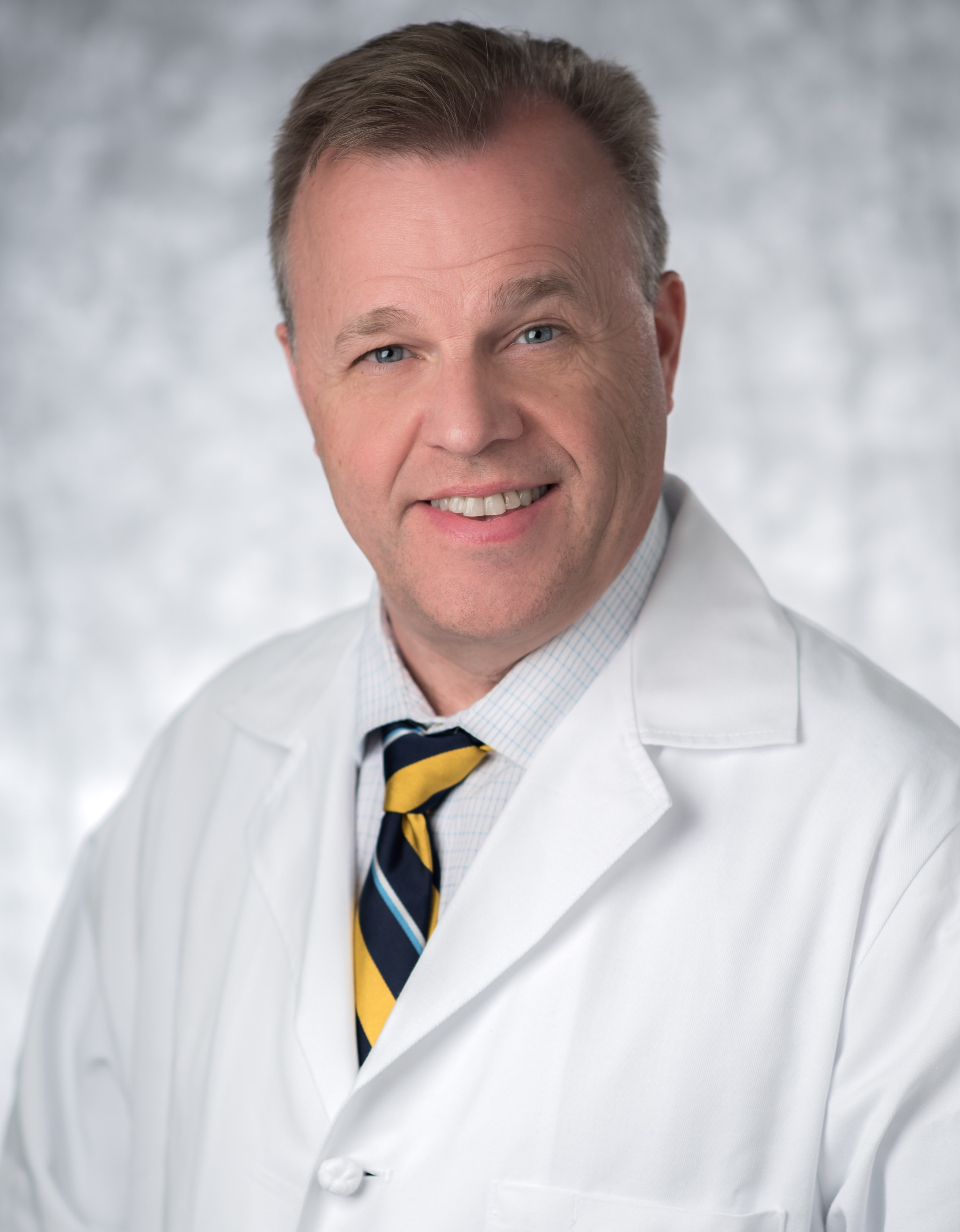
Dan Johnson, PhD
Dan Johnson, Professor and Vice Chair of Research, built one of the field's leading cancer signaling programs. He earned bachelor's degrees in chemistry and mathematics summa cum laude from North Park University, an MA and PhD in Molecular Biology from Princeton, and completed a postdoctoral fellowship at UCSF. Before returning to UCSF in 2016, he was a Professor of Hematology/Oncology at the University of Pittsburgh, where he served as Scientific Director of the Acute Leukemia Working Group.
Dr. Johnson's research uncovered how Bcl-2 overexpression and STAT3 hyperactivation drive treatment resistance in head and neck squamous cell carcinoma, and he co-invented a decoy oligonucleotide inhibitor of STAT3 now advancing toward clinical evaluation. His lab also identified how caspase-8 mutations let tumor cells evade cell death. Across his career he authored 172 publications cited over 22,000 times, edited two landmark books, held continuous NIH funding since 1995, and served as Section Editor of Leukemia.
As department chair Andrew Murr, MD, shared: "Dan has approached his contribution to UCSF with quiet integrity and consistent brilliance... what I appreciate most about Dan is his absolute commitment to mentorship of the next generation of investigators." That commitment shows in the 68 trainees he has mentored, many now faculty nationwide, and in the G. David Roodman Excellence in Mentorship Award, which was the first time ever given to a lab-based faculty member.
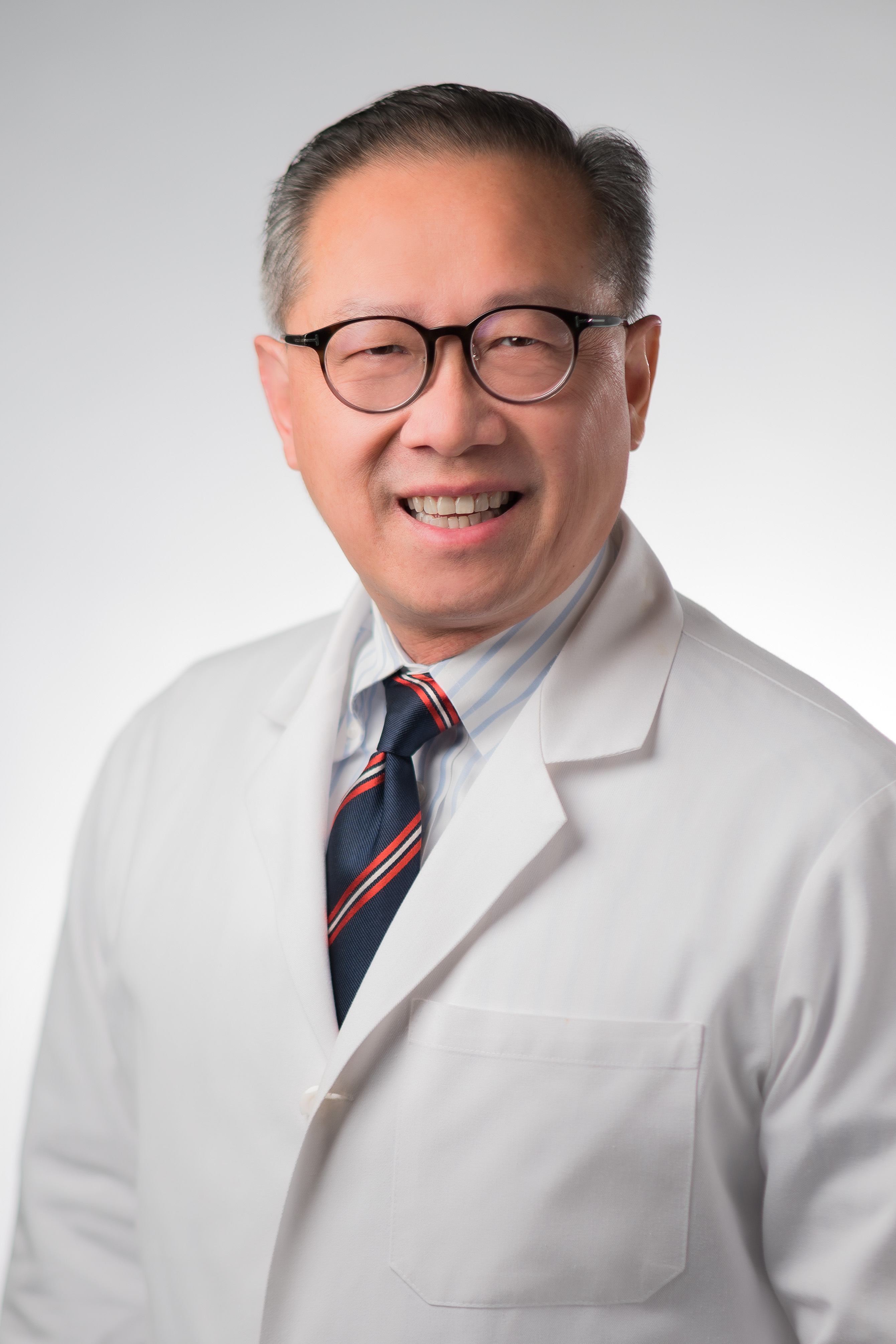
Steven W. Cheung, MD
Steven Cheung, Professor of Otolaryngology in the Division of Otology, Neurotology, and Skull Base Surgery, became a leading voice in hearing science. He earned his A.B. in Chemistry from Dartmouth (Phi Beta Kappa) and his MD from the University of Pennsylvania, then trained at UCSF through his surgery internship, OHNS residency, a Skull Base Surgery Fellowship, and postdoctoral work in neurophysiology. He is a Diplomate of the American Board of Otolaryngology with subspecialty certification in Neurotology.
Dr. Cheung's research interests were extensive and included hearing impairment, tinnitus, sensory phantoms, and neuroprostheses with significant multi-disciplinary collaboration. He advanced our understanding of how the brain adapts to hearing loss and sensory dysfunction. He was supported by continuous NIH and Department of Defense funding. He authored 154 publications cited over 4,000 times. Clinically, he cared for patients with complex otology and neurotology needs in the medical and surgical settings.
His excellence earned repeated recognition, including four Roger Boles, MD Teaching Awards, three Francis A. Sooy, MD Clinical Excellence Awards, the Triological Society's Edmund Prince Fowler Award (2005), a Presidential Citation from the American Neurotology Society (2017), and the UCSF Academic Senate Distinguished Service Award (2023).
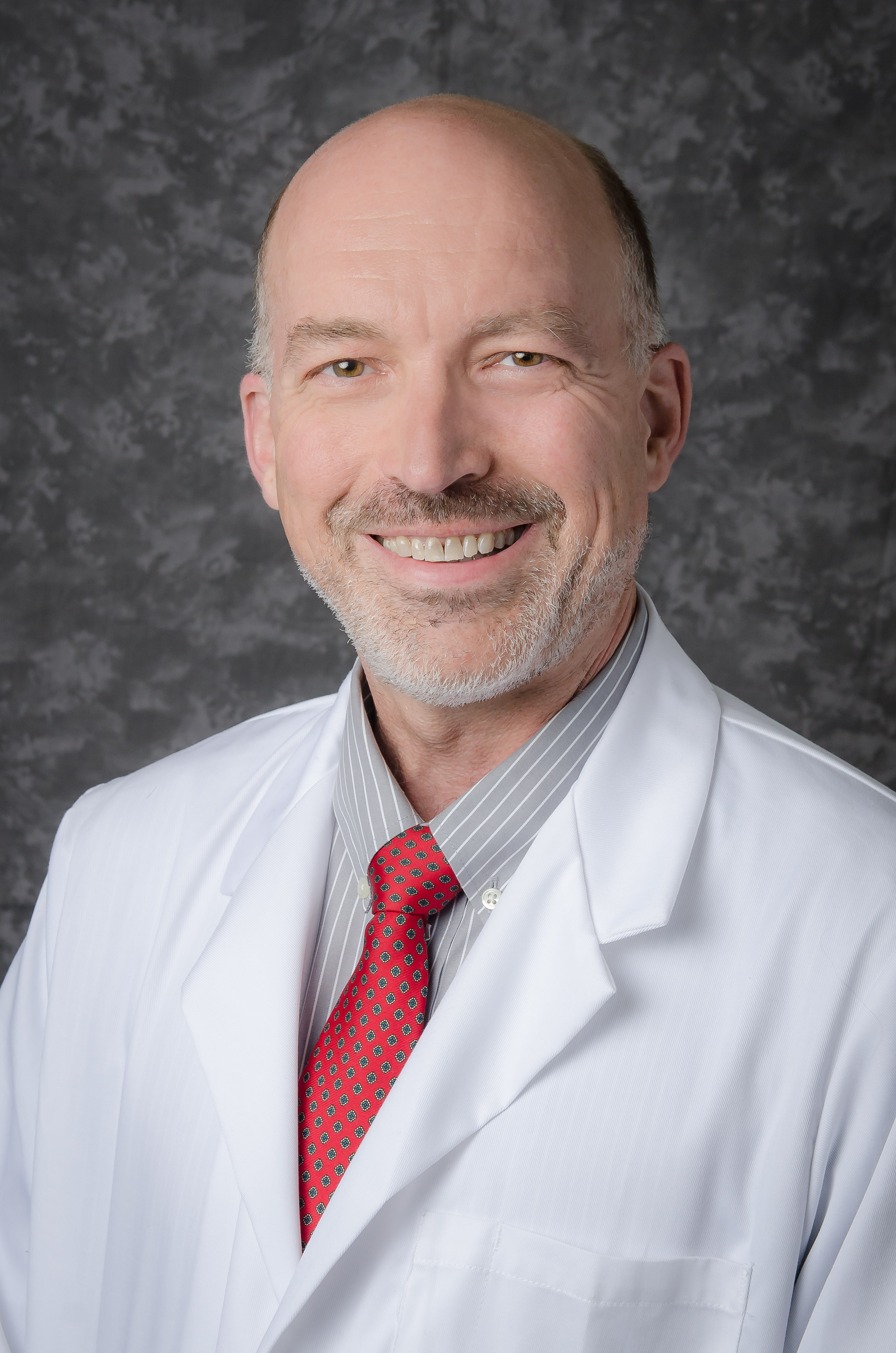
John Houde, PhD
John Houde, Professor in Residence and Director of the Speech Neuroscience Laboratory, spent his career deciphering how we hear our own voice as we speak. His path wound through a BS in Electrical Engineering from Caltech, an MS in Computer Science from Duke, a PhD in Brain and Cognitive Science from MIT, and postdoctoral training in medicine at UCSF.
Using computational modeling, psychophysics, and functional neuroimaging — including MEG and electrocorticography — John's lab mapped the neural circuitry of auditory feedback control in speech, including the FACTS model of speech motor control, and extended that work to conditions like Alzheimer's disease and spasmodic dysphonia. His research, published in journals including Science, Nature, and PNAS, grew to 118 publications cited more than 6,200 times.
Thank You
These three academic giants have each had a tremendous impact. Please join us in congratulating them on truly remarkable careers. We wish each of them a joyful, well-earned retirement.